

Find Electronic Recycling Centers Near You: How to Dispose Old Electronics Safely
As technology advances, the accumulation of electronic waste (e-waste) has become a pressing environmental issue. E-waste includes discarded electronic devices such as computers, smartphones, and televisions, which can contain hazardous materials. This article will guide you on how to safely dispose of old electronics by locating certified recycling centers near you. You will learn about the types of devices accepted, upcoming e-waste collection events, and the benefits of using certified recycling services. Additionally, we will discuss how to prepare your electronics for recycling and any associated costs. By following these guidelines, you can contribute to a healthier environment while responsibly managing your e-waste.
The urgency of proper e-waste management is underscored by its complex composition and the severe environmental threats posed by improper disposal methods.
E-Waste Environmental Hazards & Sustainable Management
E-waste is among the fastest growing solid waste classes and represents a serious hazard for the environment. It consists of a mixture of hazardous inorganic and organic materials, for example, heavy metals, polycyclic aromatic hydrocarbons, polychlorinated biphenyls, and brominated flame retardants, along with valuable metals, such as Au, Ag, and Pd. Direct e-waste disposal to landfills without any prior treatment creates threats to the environment due to leaching of metals in water and soil. Improper e-waste recycling, such as by open burning and acid baths, creates hazardous and toxic compounds, like dioxins, furans, and acids. Management of e-waste is different from the other solid wastes. The management of e-waste need advance as well as environmental friendly technologies with respect to its recycling and recovery of precious and valuable materials.
Environmental hazards and management of E-waste, S Rawat, 2019
Where Can I Find Certified E-Waste Recycling Centers Near Me?
Finding certified e-waste recycling centers is crucial for ensuring that your old electronics are disposed of safely and responsibly. These centers are equipped to handle hazardous materials and recycle components in an environmentally friendly manner.
How to Locate Local Electronics Recycling Services Using Maps and Directories

To locate local electronics recycling services, you can utilize various online maps and directories. Google Maps is a powerful tool that allows you to search for “e-waste recycling near me” to find nearby facilities. Additionally, local government websites often provide directories of certified recycling centers. Community resources, such as local environmental organizations, may also have information on e-waste recycling options available in your area.
What Types of Old Devices Are Accepted at Nearby Recycling Centers?
Most certified e-waste recycling centers accept a wide range of electronic devices. Commonly accepted items include:
- Computers and Laptops: These devices often contain valuable metals and components that can be recycled.
- Televisions: Older models, especially CRTs, require special handling due to hazardous materials.
- Mobile Phones: These devices can be recycled for their metals and plastics.
- Batteries: Many centers accept batteries, which need to be disposed of properly to prevent environmental contamination.
Before visiting a recycling center, check their specific guidelines to ensure your items are accepted.
What Are Upcoming E-Waste Collection Events in My Area?
Participating in e-waste collection events is an excellent way to dispose of your old electronics responsibly. These events are often organized by local governments or environmental organizations to encourage community participation in recycling efforts.
How to Check Event Calendars for E-Waste Drop Off Points
To find upcoming e-waste collection events, check local government websites or community bulletin boards. Many municipalities maintain event calendars that list scheduled e-waste drop-off points. Social media groups focused on local environmental issues can also provide updates on upcoming events.
What Items Can I Bring to Community E-Waste Collection Events?
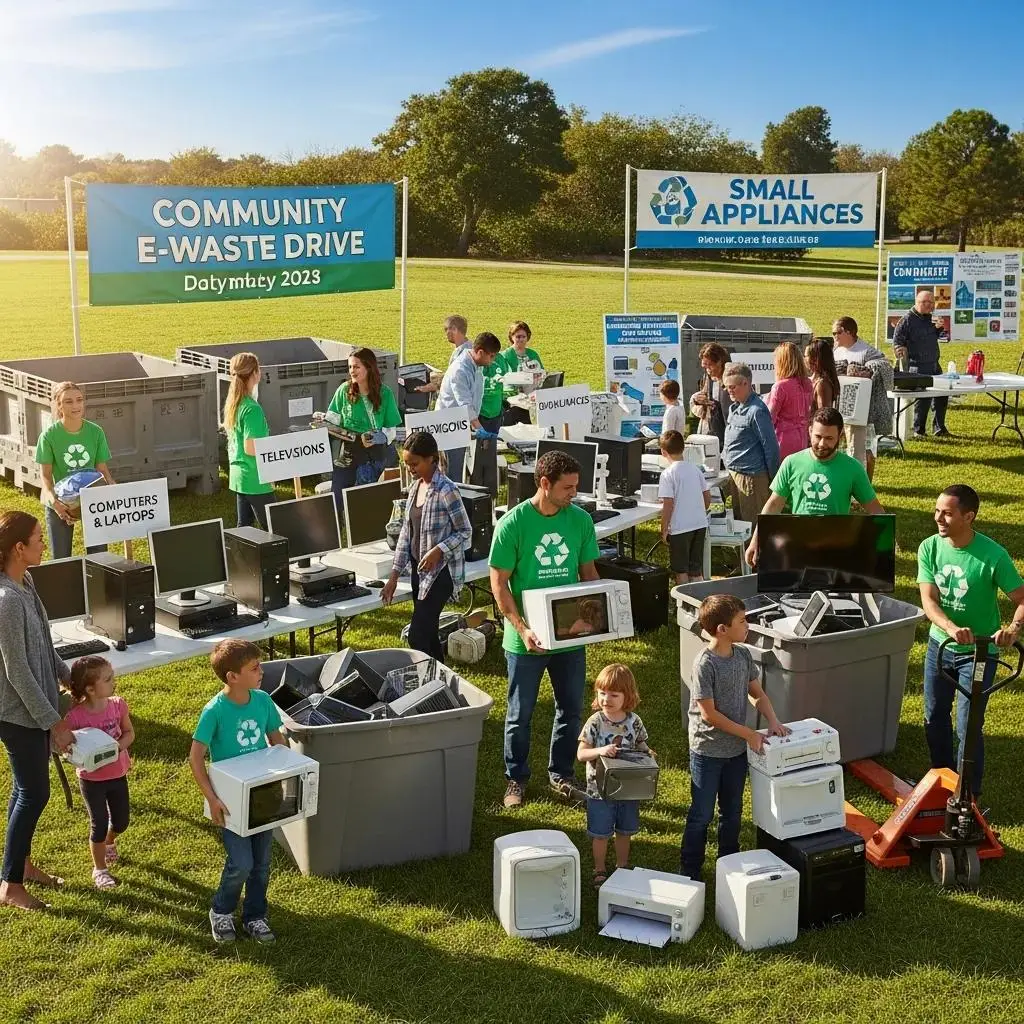
Community e-waste collection events typically accept a variety of electronic items. Commonly accepted items include:
- Computers and peripherals: Keyboards, mice, and monitors.
- Televisions: Both flat-screen and older models.
- Small appliances: Such as microwaves and printers.
- Batteries: Including rechargeable and non-rechargeable types.
However, some items may be prohibited, such as hazardous waste or large appliances. Always check the event guidelines before attending.
How Do I Prepare Old Electronics for Recycling?
Preparing your old electronics for recycling is essential to ensure data security and compliance with recycling regulations.
Step-by-Step Guide to Safely Erase Data and Remove Batteries
- Backup Important Data: Before disposing of your device, ensure that you back up any important files.
- Erase Data: Use data-wiping software or factory reset options to securely erase all personal information from your devices.
- Remove Batteries: If possible, remove batteries from devices, as they may require separate disposal.
Following these steps will help protect your personal information and ensure that your devices are ready for recycling.
Which Electronics Need Special Handling Before Disposal?
Certain electronics require special handling due to hazardous materials. For example:
- Televisions: CRT models contain lead and must be handled carefully.
- Batteries: Lithium-ion batteries can pose fire hazards and should be disposed of at designated facilities.
- Computers: Hard drives should be wiped or physically destroyed to prevent data theft.
Always check with your recycling center for specific handling instructions for these items.
What Are the Benefits of Using Certified Electronics Recycling Services?
Using certified electronics recycling services offers numerous benefits, including environmental protection and compliance with regulations.
How Certified Recycling Prevents Toxic Waste Leakage
Certified recycling centers follow strict regulations to prevent toxic waste leakage into the environment. They ensure that hazardous materials are handled properly and that recyclable components are processed in an environmentally friendly manner. This reduces the risk of pollution and protects public health.
Indeed, adhering to stringent guidelines is paramount to ensuring that the recycling process itself does not introduce new environmental risks.
Safe & Standardized E-Waste Recycling Practices
E-waste recycling is necessary but it should be conducted in a safe and standardized manor. The acceptable risk thresholds for hazardous, secondary e-waste substances should not be exceeded.
E-waste: a global hazard, PD Sly, 2014
Environmental Impact of Proper E-Waste Disposal Near You
Proper e-waste disposal has a significant positive impact on the environment. By recycling electronics, valuable materials such as metals and plastics can be recovered and reused, reducing the need for new raw materials. This process conserves natural resources and minimizes landfill waste, contributing to a healthier planet.
| Benefit | Description | Impact Level |
|---|---|---|
| Environmental Protection | Prevents toxic waste from entering landfills | High |
| Resource Recovery | Recycles valuable materials for reuse | High |
| Compliance | Meets local and federal regulations | Medium |
The benefits of using certified recycling services extend beyond individual responsibility; they contribute to broader environmental sustainability efforts.
Are There Fees or Costs Associated with E-Waste Disposal Near Me?
Understanding the costs associated with e-waste disposal is essential for planning your recycling efforts.
Understanding Free vs. Paid Electronics Recycling Services
Many local governments offer free e-waste recycling services during designated events or at specific drop-off locations. However, some private recycling companies may charge fees for their services, especially for large items or bulk pickups. It’s important to compare options and understand what services are available in your area.
How to Find Bulk E-Waste Pickup Services and Their Pricing
If you have a large quantity of e-waste, consider using bulk pickup services. Many recycling companies offer this service for a fee, which can vary based on the volume and type of items being collected. To find bulk pickup services, search online for local providers and request quotes to compare pricing.
How Can I Access Convenient E-Waste Pickup Services Near Me?
Accessing convenient e-waste pickup services can simplify the recycling process, especially for those with large quantities of electronics to dispose of.
What Are the Options for Curbside Electronic Waste Collection?
Some municipalities offer curbside electronic waste collection as part of their waste management services. This option allows residents to place their e-waste at the curb on designated collection days. Check with your local waste management department for availability and scheduling.
How to Schedule and Prepare for Bulk E-Waste Pickup Services
To schedule a bulk e-waste pickup, contact local recycling companies that offer this service. Prepare your items by ensuring they are clean and free of personal data. Additionally, confirm any fees associated with the service and provide details about the items you wish to recycle.
By following these guidelines, you can effectively manage your e-waste and contribute to a sustainable future. Remember, responsible disposal of electronics not only protects the environment but also promotes community health and safety.