
Most people hang onto their old electronics longer than they probably should. Whether it’s a slow laptop or a tablet gathering dust in the back of a drawer, deciding when to let go can be tricky. You might feel like it’s wasteful to toss it out, or maybe you’re saving it for “just-in-case” scenarios. The thing is, old electronics don’t just stop being useful once they can’t perform well. They can still serve a purpose through electronics recycling, which helps keep your space clutter-free and benefits the planet.
If you’ve been wondering whether your devices are ready for recycling, it helps to know what to look for. There are some clear signs that your gadget has reached the end of its road as a useful everyday tool. These clues are easy to spot once you recognize what they are. Keep reading and we’ll walk through some common signs that it’s time to consider a smarter way to clear them out.
Old Or Slow Performance
That laptop that takes ten minutes to boot up or the desktop that struggles to load basic programs? Those delays aren’t just annoying, they point to outdated hardware that’s nearing the end. When a device starts operating slower than your morning coffee maker, it’s probably time to move on.
Here are a few signs your device is running on fumes:
– It freezes or crashes often, even when you’re doing light tasks
– Programs take forever to open or stop responding all the time
– You have to restart frequently to get basic things to work
– The battery won’t hold a charge or drains in minutes
– It overheats even while just browsing or writing emails
An example could be a family in Augusta who continued using a 10-year-old computer for simple stuff like recipes or homework. Over time, the lag became so bad that everything took twice as long, and it wasn’t worth the frustration anymore.
When a device isn’t performing like it used to, keeping it around can actually waste more of your time. Recycling that worn-out tech opens the door for a replacement that works better and uses less energy. Many older parts can still be recovered and reused.
Incompatible With New Software
Another clear signal is when your electronics can’t handle the latest software. As programs get updated, they need faster processors, more memory, and better graphics. When your device can’t meet these new demands, it starts holding you back.
Older systems might no longer receive important updates because they’re past their support period. That can lead to software glitches and expose you to security risks, especially if you’re using the device for banking, online shopping, or storing personal information. Without current security software, your information could be at risk.
You might experience things like:
– Apps that refuse to install
– Software that won’t launch or update
– New devices like printers or webcams that won’t connect
– Operating systems that can’t be upgraded anymore
Eventually, the hassle of working around these issues just isn’t worth the time or effort. If your electronics are stuck in the past with no clear way forward, recycling them is often the smartest next step. It allows someone else to safely break them down and reuse parts that might still work.
Obsolete Or Broken Parts
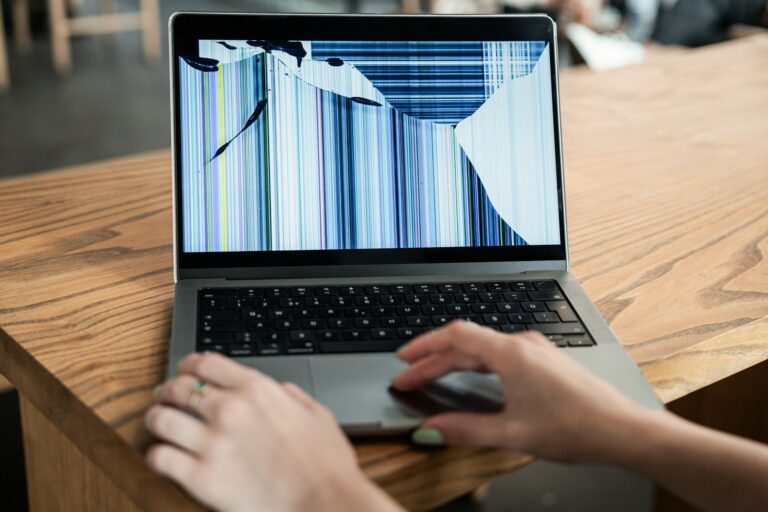
Wear and tear happens, especially if the device has been used day in and day out. A broken laptop key or a cracked phone screen might not be the end of the world alone. But if you’ve got several small problems showing up and no warranty or affordable fix, it adds up fast.
You might notice:
– Cracked screens that make tapping or typing hard
– Buttons or keys that no longer respond
– Broken charging ports or frayed cords
– Missing pieces like battery covers or keycaps
At a certain point, the cost to repair all these issues might be more than simply replacing it. That’s when it’s time to think about recycling. Giving up on it might feel like a loss, but recycling makes sure it doesn’t go to the landfill. You’re passing it on for parts recovery, and that’s a smart move for the planet and your peace of mind.
Environmental And Ethical Benefits
When electronics hit the end of their life, tossing them in the trash might seem like the easiest option, but it’s far from the most responsible one. Old devices contain materials that take years to break down and can leak into the soil or water. When these materials go unhandled, they can damage local environments in communities like Augusta.
Recycling electronics is one step toward tackling that problem. Many parts, like circuit boards, batteries, and screens, can be broken down and processed safely. Some materials, such as copper or aluminum, get reused in new products. That saves energy, and fewer raw materials need to be pulled from the earth.
There’s also an ethical side to responsible recycling. That old tablet or broken hard drive often ends up in landfills if it’s not recycled, sometimes even being shipped overseas where disposal laws aren’t the same. The pile-up of tossed electronics doesn’t just go away, it goes somewhere. By choosing to recycle, you’re helping keep those practices in check and supporting cleaner outcomes.
Something as minor as clearing out a cluttered drawer can help reduce the amount of waste heading to landfills. And if you’ve got kids or younger family members, it also sends the message that how we handle old electronics matters.
Taking The First Step In Augusta
If you live in Augusta and have outdated or broken electronics lying around, now’s a good time to do something about it. Fall is a great season for clearing out unused household items, especially before the holiday season when space fills up fast. Instead of waiting until spring to clean, getting ahead of that process can save you time later.
Here are a few simple ways to get started:
– Walk through your home and gather old electronics like phones, printers, or tablets that haven’t been used this year
– Check drawers, closets, and office spaces for items piling up silently
– Make a list of what you’ve found and note anything that’s broken or no longer supported by software
– Sort out anything with sensitive data if needed
– Look for a local electronics recycling option in Augusta that handles these items responsibly
Taking this first step now keeps your space clean and helps make sure your old devices do some good on their way out. With the right help, dropping them off can be easier than you think and you won’t have to worry about added clutter blending into your daily life.
Let Your Old Devices Make a Difference
Recycling electronics isn’t just about clearing space or future-proofing your setup. It’s also a way to build habits that benefit your neighborhood and the environment. Every recycled phone, laptop, or charger keeps harmful materials out of landfills and puts usable parts back into something new.
People in Augusta looking to make a small, meaningful change can start with what’s already in the house. That old desktop that hasn’t worked since last winter? It can serve a purpose again when recycled. Some items may have failed you, but they still hold value in the right hands.
Letting go of electronics you’ve held onto for years might feel strange or long overdue, but taking action now sends a message. It shows you’re making room for something better. Recycling is a simple way to let go with purpose and feel good about the outcome.
Ready to turn your outdated devices into value and contribute to a cleaner environment? Learn how you can make a difference through responsible electronics recycling. Beyond Surplus is here to help you recycle efficiently and safely, making it easy to clear out old tech while protecting both your space and the planet.