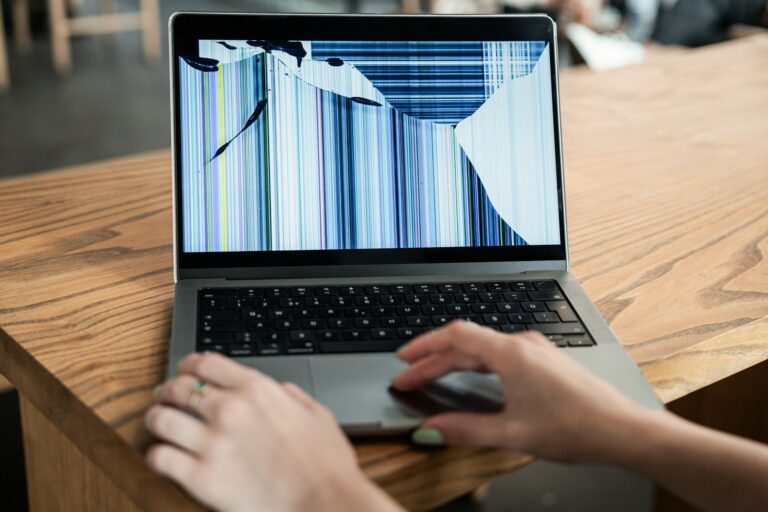

Recycling electronics is one of the best ways to reduce waste and protect our environment. As technology continues to advance, people constantly upgrade their gadgets, leaving behind a trail of outdated devices. Proper electronics recycling prevents these devices from polluting landfills, saving valuable materials from being wasted and reducing harmful environmental impacts. Whether you’re an individual looking to dispose of an old laptop or a business managing outdated office equipment, proper recycling ensures these devices are safely and efficiently broken down.
Beyond the environmental benefits, responsible electronics recycling also supports the community. It minimizes health risks associated with hazardous elements often found in electronic waste. Furthermore, recycling creates opportunities for recovering valuable metals and components, which can be reused in new products, reducing the overall need for raw material extraction. This forward-thinking approach not only supports sustainability but also encourages others in the community to participate, building a collective culture of environmental responsibility.
Safe Electronics Recycling Tip #1: Identify Hazardous Components
Several common materials within electronic devices pose environmental and health risks if not disposed of correctly. Elements like lead, mercury, cadmium, and flame retardants are found in many everyday electronics, such as monitors and smartphones. Recycling these items without proper care can release toxins into the soil and water, potentially harming wildlife and humans.
Identifying and managing these hazardous components is the first step to safe recycling. Here’s a simple approach:
1. Research your device to determine the components and materials in your electronic device. Device manuals or online resources can provide a breakdown of what’s inside.
2. Handle with care. Once identified, handle electronics with these materials cautiously. Use gloves and ensure that you do not dismantle these items without proper knowledge.
3. Use professional services. Rather than trying to strip these components yourself, consider partnering with recycling centers that handle hazardous materials correctly. They possess the required equipment and expertise to safely process these items, ensuring they’re disposed of in a way that minimizes environmental impact.
Understanding the hazardous components within electronics allows you to make informed decisions about their disposal. By using professional services for this part of the process, you reduce the risk of exposure to harmful substances while contributing positively to environmental conservation.
Safe Electronics Recycling Tip #2: Secure Data Destruction
Before recycling those old devices, it’s critical to ensure all personal information is wiped clean. Think about it like clearing out your home before selling it—you wouldn’t want sensitive items left behind. Electronic devices, especially smartphones and computers, often contain vast amounts of personal and financial data. Not securely erasing this data could lead to serious privacy breaches.
Ensuring data is permanently erased involves several steps:
– Data Encryption. Before even considering disposal, encrypt your data. This adds an extra layer of security, making it harder for anyone to access your information if the device falls into the wrong hands.
– Factory Reset. Use the built-in factory reset options for smartphones and other portable devices to remove personal data. However, keep in mind that this can sometimes be insufficient, so additional steps might be necessary.
– Professional Data Destruction Services. These experts use advanced tools to permanently erase or physically destroy data storage components, ensuring no traces are left behind.
Data security is essential, and by ensuring secure data deletion, you prevent unauthorized access and protect yourself or your business from potential data theft.
Safe Electronics Recycling Tip #3: Choose Certified Recycling Centers
Using certified recycling centers ensures that your electronics are processed in accordance with environmental and safety standards. These centers have specific certifications that guarantee they follow eco-friendly and responsible recycling practices.
Here’s what to look for when choosing a recycling center:
1. Certifications. Look for centers with recognized certifications. These certifications signify they follow industry best practices and have the necessary equipment to handle all types of electronic waste.
2. Reputation and Reviews. Check online reviews or ask for recommendations to ensure the center has a solid record of customer satisfaction.
3. Inspection and Transparency. Trustworthy centers are open about their processes. They often offer tours or clear explanations of how they manage electronic waste, giving you confidence that your items are handled responsibly.
Certified recycling centers ensure your devices are not only disposed of properly but that any hazardous materials are safely extracted and managed.
Safe Electronics Recycling Tip #4: Properly Prepare Electronics for Recycling
To ensure a smooth recycling experience, it’s important to prep your electronics beforehand. This approach not only aids efficiency but also ensures that valuable materials are effectively salvaged.
Steps for preparing your devices include:
– Documentation. Like getting ready for a big move, you should gather any warranties and receipts. This helps track the electronics and deal with any potential issues.
– Cleaning. Wipe down devices to remove dust and grime. While this might seem trivial, it helps recycling professionals in their assessment and processing.
– Remove Batteries. If possible, take out any batteries. They need separate handling due to their chemical properties and potential hazards. Also, remove SIM cards and memory cards as a preliminary step in securing personal data.
Proper preparation ensures that you maximize the benefits of recycling and assist processing centers in handling your devices effectively.
Encouraging Community Participation in Electronics Recycling
Getting the community involved in recycling efforts brings numerous benefits. It raises awareness, promotes eco-friendly practices, and often leads to more efficient recycling because of pooled resources.
– Educate and Encourage. Host workshops or informational sessions to teach residents about the benefits and processes of electronics recycling. Involving schools and local organizations can amplify these efforts.
– Community Drives. Organize collection days where people can bring their outdated electronics. This helps reduce the amount of e-waste lying dormant in homes.
– Shared Facilities. Set up shared collection bins in accessible locations. Such facilities make it easy for members to recycle.
Community involvement supports sustainable practices and can foster a sense of shared responsibility for environmental health, elevating the overall impact of recycling efforts.
Conclusion: Taking Action for a Greener Future
Electronics recycling is not just about disposing of old gadgets. It’s about adopting a mindset that supports a sustainable, healthier environment and community. By identifying and safely handling hazardous materials, ensuring data is securely destroyed, selecting certified centers, and preparing devices properly, each step reinforces a commitment to protecting our planet.
The journey of electronics recycling doesn’t end with dropping off your gadgets. Encouraging others to join in amplifies the positive effects. By nurturing a culture of participation, you can help pave the way for future generations to enjoy a cleaner, more sustainable world. Embrace these practices and share this knowledge to make a real difference in our communities.
Join Beyond Surplus in making a positive impact through thoughtful disposal methods. When you choose electronics recycling, you contribute to a sustainable future while helping to protect the environment. To learn how our services can support your eco-friendly efforts, explore our solutions for electronics recycling. Your journey toward responsible disposal starts here.